How Many Hours of Wedding Videography Do You Need: 6, 8, or 10?
One of the questions I hear most often from couples is, “How many hours of video coverage do we actually need?”
After nearly 10 years filming weddings across Washington, DC, Northern Virginia, and Maryland, my answer usually starts with a few questions: Where is everything happening? Which moments do you want captured? And how much time is there between those moments?
A wedding at one venue can look very different from a day that starts at a hotel, moves to a church, and ends at a separate reception venue. Here’s how I help couples choose between 6, 8, and 10 hours of coverage.
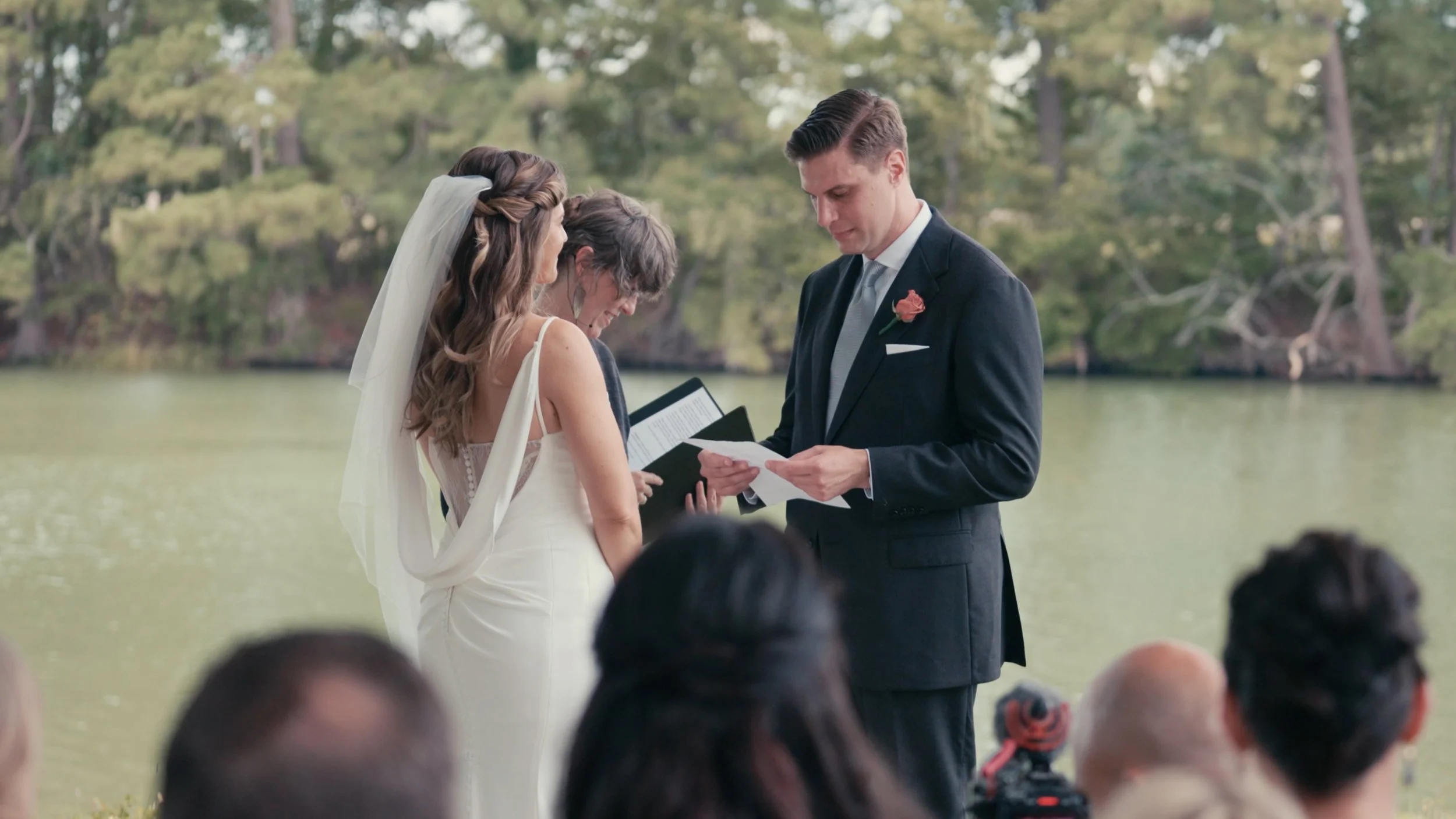
Flora and Charles | Wedding at Woodlawn Farm & Estate, MD
6 Hours: A Good Fit for a Wedding at One Venue
For a wedding taking place entirely at one venue, six hours is often a good starting point. It can cover the ceremony, portraits, and the main reception events, depending on your schedule.
The decision usually comes down to how much of the beginning and end you want included.
If you’re exchanging gifts, reading private vows, or sharing a meaningful moment with your parents before the ceremony, you may want coverage to start earlier. If you’re planning a grand exit at the end of the reception, you may prefer to save more time for the evening.
With six hours, we’ll look at your timeline together and decide where that coverage matters most. It works well when your main events fall reasonably close together and you’re comfortable choosing how much preparation or late-night reception footage to include.

8 Hours: More Room for the Full Story
For a wedding at one venue, eight hours usually gives us enough room to capture the final preparations and stay through the main reception events without having to choose between the beginning and the end.
That extra time also gives the day some breathing room. You can enjoy your first look, spend time with your guests, and move through the celebration without every part of the filming schedule feeling tightly packed.
If your ceremony and reception are at two different locations, I generally recommend at least eight hours. Traveling between venues takes up part of your coverage, so it needs a place in the timeline alongside everything else.
The exact fit still depends on your ceremony time and when the reception ends, especially if a late grand exit is important to you.
10 Hours: For Longer Celebrations and Multiple Locations
Ten hours makes sense when your wedding stretches across a longer day or involves several locations.
You might be getting ready at a hotel, having your ceremony at a church, stopping somewhere for portraits, and then heading to your reception. Or you may have additional ceremonies or traditions that you want included.
For these weddings, the extra coverage allows us to follow the day as it unfolds, with time for both the scheduled events and the smaller moments in between.

Flora and Charles | Wedding at Woodlawn Farm & Estate, MD
When Should Your Videographer Arrive?
In most cases, about one hour of getting-ready coverage is enough.
I usually recommend arriving when makeup is close to being finished. For example, if makeup is scheduled to finish at 2:30 p.m., a 2 p.m. arrival can work well.
During that time, I can capture the finishing touches and film details such as your invitations, rings, jewelry, shoes, and bouquets, usually alongside your photographer. Then we can move into getting dressed and any moments you’ve planned before the ceremony.
Gift exchanges, private vows, and first looks need their own time, so let me know about those when we’re planning your coverage.
Do You Need Coverage Until the Reception Ends?
If you’re planning a grand exit and want it in your film, we should build your coverage around that.
Otherwise, you may not need a videographer to stay until the very last song. Once open dancing begins, about one to one and a half hours is usually enough to capture the energy of the dance floor and your guests enjoying themselves.
We’ll also check that speeches, special dances, and any other events you want filmed happen before coverage ends.
Leave Room for Travel, Especially in DC
One thing I always encourage couples to check is what else is happening near their venues on their wedding date.
At one DC wedding I filmed, the couple got ready at The Ritz-Carlton, Washington, DC, and had their ceremony at the Cathedral of St. Matthew the Apostle. I rode with the bride and planners in the limousine to the church.
Normally, that drive would take about five minutes. With road closures that day, it took more than fifteen, and the ceremony was delayed.
The locations were close together, but that didn’t guarantee a quick trip. When your wedding involves travel, allow a buffer for traffic, road closures, and getting everyone into and out of transportation.
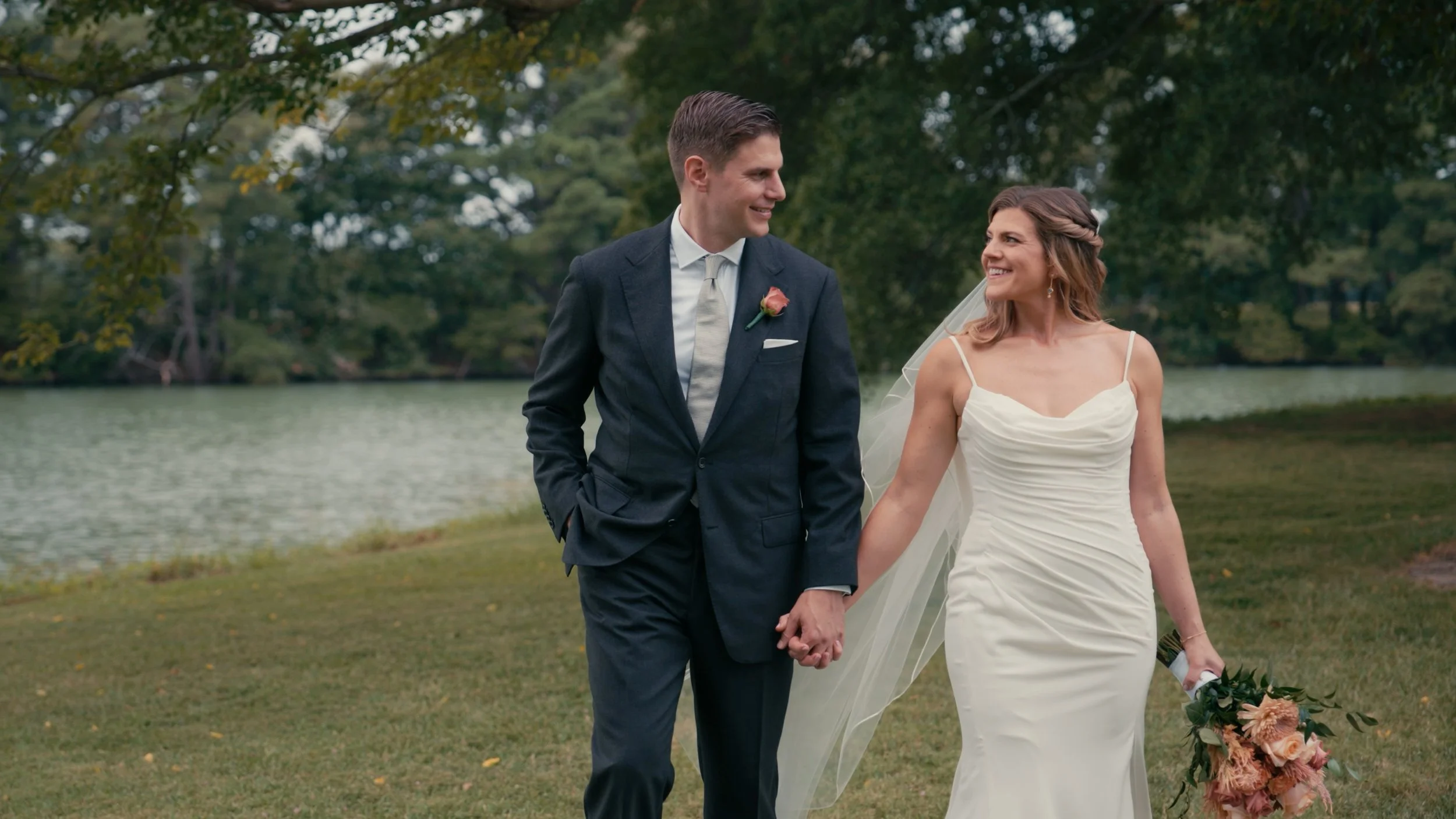
Flora and Charles | Wedding at Woodlawn Farm & Estate, MD
Can You Add More Coverage Later?
Yes. Couples can add coverage before the wedding or request more time on the day, subject to availability.
I always check in before leaving. If something has run behind or there’s another moment you’d like captured, we can discuss extending coverage then.
The earlier you know, the better. I occasionally have another commitment afterward, so arranging extra time in advance gives us more certainty.
Start With the Moments You Want to Remember
Before choosing your coverage, write down the first moment you want filmed and the last. Then look at everything happening between them, including travel.
That gives us a much more useful starting point than choosing a number of hours on its own.
If you’re unsure, send me your draft timeline, even if it’s still a work in progress. I’m happy to help you find the coverage that fits your day.